
Your value chain, in one map.
From tier-1 suppliers to end users — mapped, tagged, and screened for water, human rights, climate, and biodiversity risk. Ready for CSDDD, double materiality, and every disclosure you file.
What Reef does
Map the chain. Screen the risk. Once.
Your value chain is the scaffolding for almost every sustainability workflow — Scope 3, materiality, human-rights due diligence, supplier engagement, regulatory disclosure. Reef builds it once and every other task in Palau plugs in.
Runs on your data, your entities.
Mapping
From your operations to tier 3.
Reef interviews you on tier-1, then extends the chain using OECD sector typology, public trade data, and known commodity flows. Every node carries a confidence level.
Screening
Every node, checked.
Inherent risk overlaid on every part of the chain — sourced from WRI, WWF, OECD, BHRRC, TVPRA, and 30+ public references. Every flag cites its source.
Reuse everywhere
Map once. Use everywhere.
Your value chain becomes the scaffolding for Scope 3, double materiality, CSDDD due diligence, EcoVadis, CDP — all built on one structured map, updated as you learn.
How it works
A week, not a quarter.
Reef walks you through the map in three focused sessions — with confidence levels and a running list of what's still unknown, so you always know where you are.
Validate what you know.
Reef pulls your existing Palau profile — sector, sites, top suppliers, geographies, customer segments — and asks you to confirm or correct. What's not on file becomes the interview agenda.
Walk the chain.
Upstream, own operations, downstream. One section at a time, with OECD business-function tagging. Reef extends tier-2 and tier-3 where the sector typology and public data allow, and flags the rest as gaps.
Screen and hand off.
Automatic risk overlay per node with cited sources. Export as a structured map, a CSV, or a draft input to Double Materiality, CSDDD, or your next EcoVadis submission.
What it feeds
One map. Every downstream workflow.
You'll never build the value chain twice in Palau. Every task that needs it — reads it.
Scope 3 emissions
Category boundaries drawn from your map. Suppliers-by-spend pre-populated.
Double materiality
IROs assessed per value-chain node, not just at the company level.
CSDDD / LkSG
Risk screening becomes your first-cut due diligence, with audit trail.
EcoVadis · CDP
Supplier and value-chain questions answered from the same source.
ESRS reporting
Value chain description (BP-1, SBM-3) drafted from the structured map.
TNFD · TCFD
Location-based nature and climate risk layered on every mapped node.
Screening sources
Public. Transparent. Cited.
Every flag Reef raises links back to a public source. No black-box scoring, no data you can't defend to an auditor.
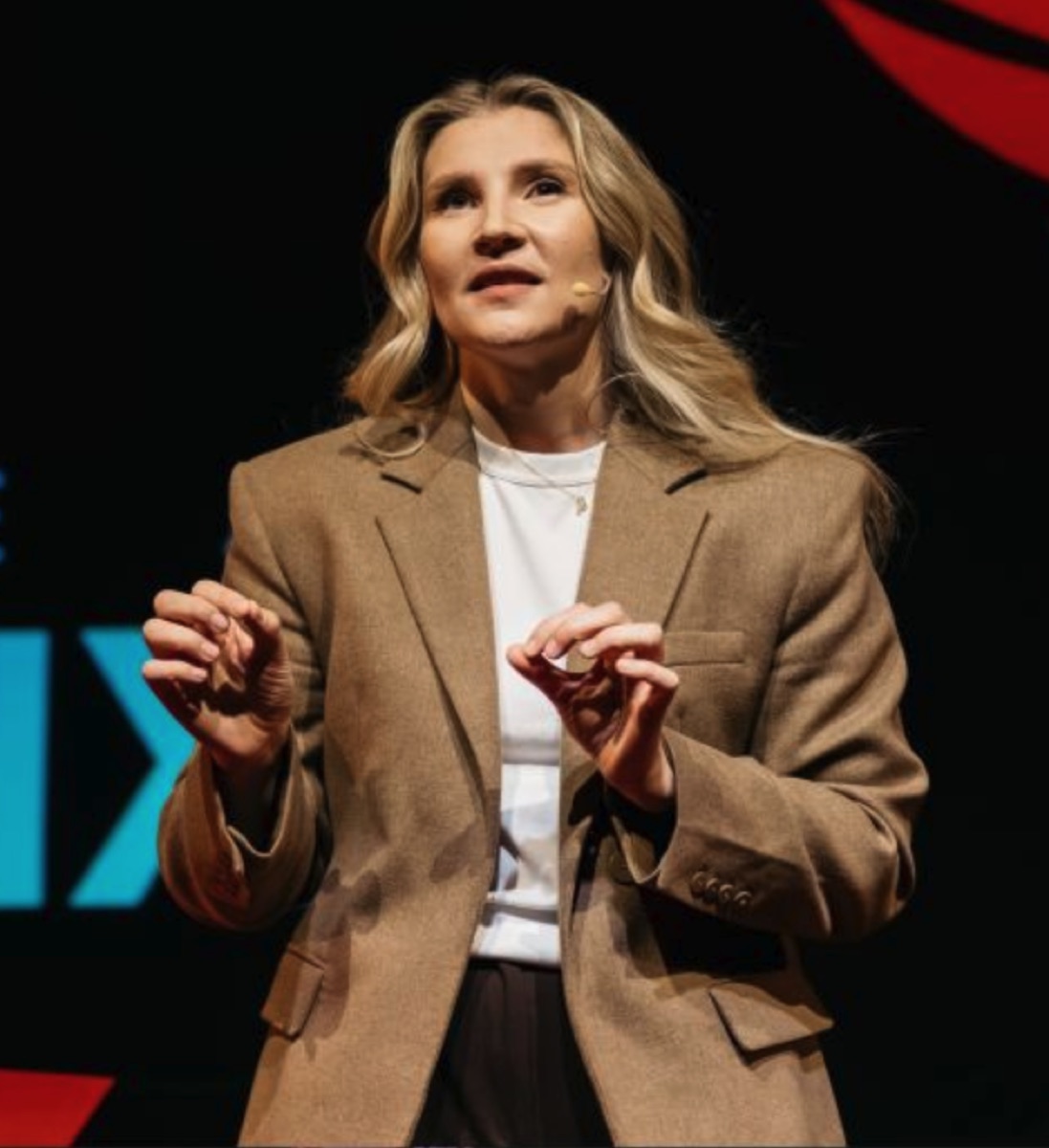
“Most companies don't have a value chain map — not because they don't want one, but because it used to take six months, a consultant, and a spreadsheet nobody could maintain. Reef changes that.”
Maria TymtsiasCo-founder & CSO, Palau
See Palau on your own value chain
A pilot runs on your data, your entities, your deadlines. Tell us where you are and we'll set one up.